Fenbendazole, Ivermectin and cancer: why anecdotes aren’t enough
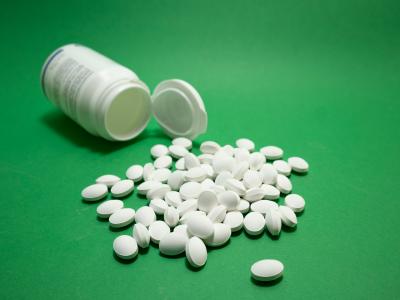
Since publishing my blog on separating facts from fiction regarding repurposed drugs, we’ve heard from many of you. People with cancer sharing personal stories and wondering about what they read online about patients using antiparasitic drugs like Fenbendazole and Ivermectin.
First, thank you. Your messages matter. They point to a reality we see every day: there’s a huge amount of anecdotal evidence — people self-reporting that they took a non-cancer drug and felt better, that a scan looked improved, or that a friend of a friend beat their cancer with a veterinary dewormer.
We take these signals seriously. But there’s a reason medicine doesn’t treat anecdotes as proof.
What do we mean by “anecdotal evidence”?
Anecdotal evidence is a story, a single person’s (or a few people’s) experience. Stories are powerful. They help us notice patterns and formulate better research questions. Anecdotes are valuable leads, but they can’t tell us whether a drug truly works, for whom, how much, and at what risk.
Why stories can’t replace science
Though personal stories about drugs like Fenbendazole and Ivermectin can be sincerely shared, they can still point us in the wrong direction, for several reasons:
- Natural disease fluctuation. Many cancers wax and wane. Scans can look a bit better for reasons unrelated to a new pill. Think of imaging intervals and measurement variability.
- Other treatments on board. Improvements may come from chemo, radiotherapy, immunotherapy, or surgery given at the same time or just before.
- Survivor bias. Success stories spread; failures stay quiet.
- Safety blind spots. Harms may be missed until they’re published as formal case reports.
The “hierarchy of evidence” in plain language
Clinicians rely on study designs that can truly separate ‘signal’ from ‘noise’, to make treatment recommendations.
The ‘hierarchy of evidence’ is a framework that ranks the reliability of evidence, giving more weight to research that best rules out error and bias.
- Top tier: Well-done randomised clinical trials (and their meta-analyses) are at the top of the hierarchy.
- Bottom tier: Anecdotes and personal testimonials sit at the very bottom. That doesn’t make anecdotes useless. Anecdotes are often the spark for further research, but they can’t carry treatment decisions by themselves.
So, the reason major oncology guidelines do not include antiparasitic drugs like Fenbendazole and Ivermectin today, is not stubbornness. It reflects the current evidence gap. Research is the only way to move these drugs up the ladder. And yes, some oncology research into antiparasitic drugs is ongoing.
“But my friend got better": can this be true?
Two things can be true at once:
- Someone took an antiparasitic drug and later felt or looked better.
- We still cannot say the drug caused the improvement or that others should take it.
Medicine owes you answers you can trust
Medicine owes you more than hope. If we want to know whether antiparasitic drugs like Fenbendazole and Ivermectin help people with cancer, we need clinical research that can stand up to scrutiny. We need well designed trials with meaningful outcomes and thoughtful combinations to see when and how a repurposed drug adds value alongside standard treatments, and where it does not.
Only with that calibre of evidence can guidelines change. Only then can clinicians confidently discuss who benefits from antiparasitic drugs, at what risk, and how to prescribe (dose, timing, and interactions).
What you can do now
At Anticancer Fund, we will keep separating signal from noise, fact from fiction, and pushing for the studies needed to turn promising ideas into reliable treatments. We are intrigued by the signals on antiparasitic drugs, but also cautious for your safety. We recommend that you:
- Talk to your oncology team. Even “natural” or “old” medicines can have unwanted interactions with your cancer therapy or be dangerous for your health.
- Share your story safely. If you’ve taken a repurposed drug, tell your care team and report side effects. Those data help protect others.
- Be critical about online stories. Ask: has this been researched in people like me? What was the benefit? What were the risks? How certain is the evidence?
If you have questions about a specific repurposed drug, our service My Cancer Navigator can help you examine the current evidence and safety considerations for your situation. My Cancer Navigator is free for people with cancer and their relatives. We’re here for you.
Important note: We do not provide “shopping lists” of drugs to take, guidance on dosing, or referrals to clinics or doctors prescribing repurposed drugs.
References
https://pmc.ncbi.nlm.nih.gov/articles/PMC11055998/ Levels of evidence and grades of recommendation supporting European society for medical oncology clinical practice guidelines
