Why does one person respond to a cancer diagnosis with determination, while another falls silent and hesitates? In this interview, Professor Peter Pype shares his expertise. A human and relatable conversation, not only for people affected by cancer, but for anyone interested in how people react when life suddenly changes.

Podcast Gezondheid & Wetenschap
Anticancer Fund fights misinformation. In this podcast we explain how. Liese Vandeborne, Director Patien Information of Anticancer Fund, and Marmeen Finoulst, edito-in-chief of Gezondhedo & Wetenschap, give some clear examples of myths about cancer treatments. Listen to the podcast.
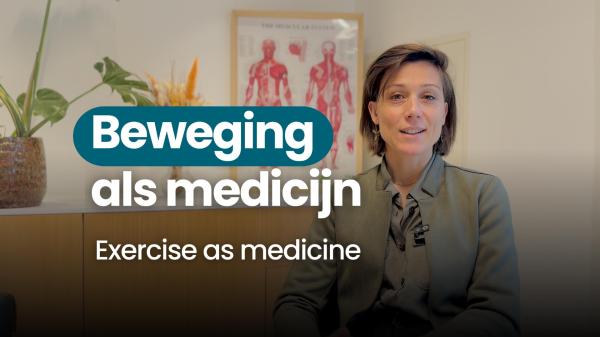
Exercise as medicine: physical activity is vital before, during, and after cancer
Can physical activity actually improve cancer outcomes? Prof. Dr. Nele Adriaenssens (VUB/UZ Brussel) shares why exercise is a "gamechanger" for cancer patients, from reducing chemotherapy side effects to lowering recurrence risks. Learn why personalised rehabilitation is essential before, during, and after treatment in this interview.
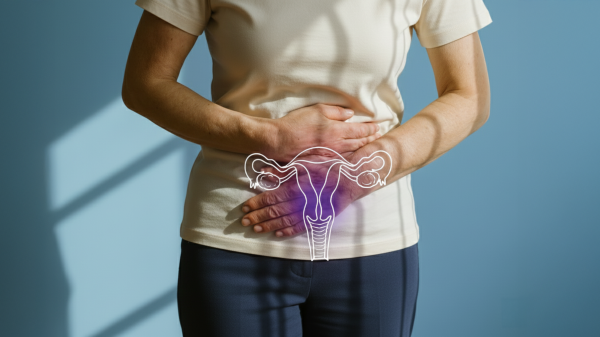
Concentration of complex cancer care saves lives
New Belgian research, funded by Anticancer Fund and Kom op tegen Kanker, demonstrated that patients with uterine cancer have a significantly better survival rate when treated in hospitals with sufficient experience and expertise. These findings come from the EFFECT study, led by Prof. Dr. Frédéric Amant (University Hospital Leuven), and emphasize the importance of concentrating complex cancer care in specialized centers.
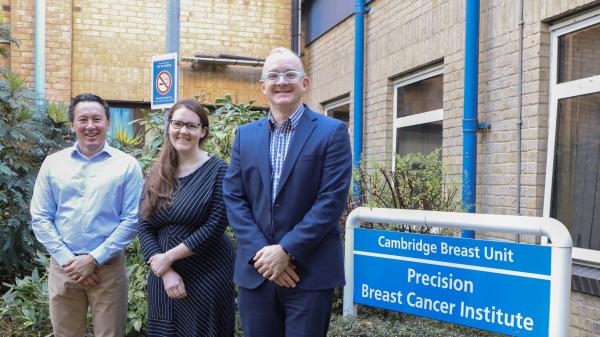
Hot flush treatment has anti-breast cancer activity, study finds
A drug mimicking the hormone progesterone has anti-cancer activity when used together with conventional anti-oestrogen treatment for women with breast cancer, a trial coordinated by the University of Cambridge has found.
Patient and health systems opportunities
Bertolini, F., Sukhatme, V.P., & Bouche, G. (2015). Drug repurposing in oncology—patient and health systems opportunities. Nature Reviews Clinical Oncology, 12(12):732-42. doi:10.1038/nrclinonc.2015.169